Professional Siding Solutions: Protecting Your Home While Enhancing Its Beauty
Expert siding services serve a dual purpose: they defend properties against environmental factors and improve aesthetic value. As properties get older, indicators such as cracks and water damage indicate the need for prompt siding replacement. Choosing quality materials tailored to specific climates significantly affects longevity and thermal performance. Professional installation remains an absolute necessity. Understanding these aspects is vital for homeowners considering an upgrade. Which elements should homeowners consider before committing to this investment?
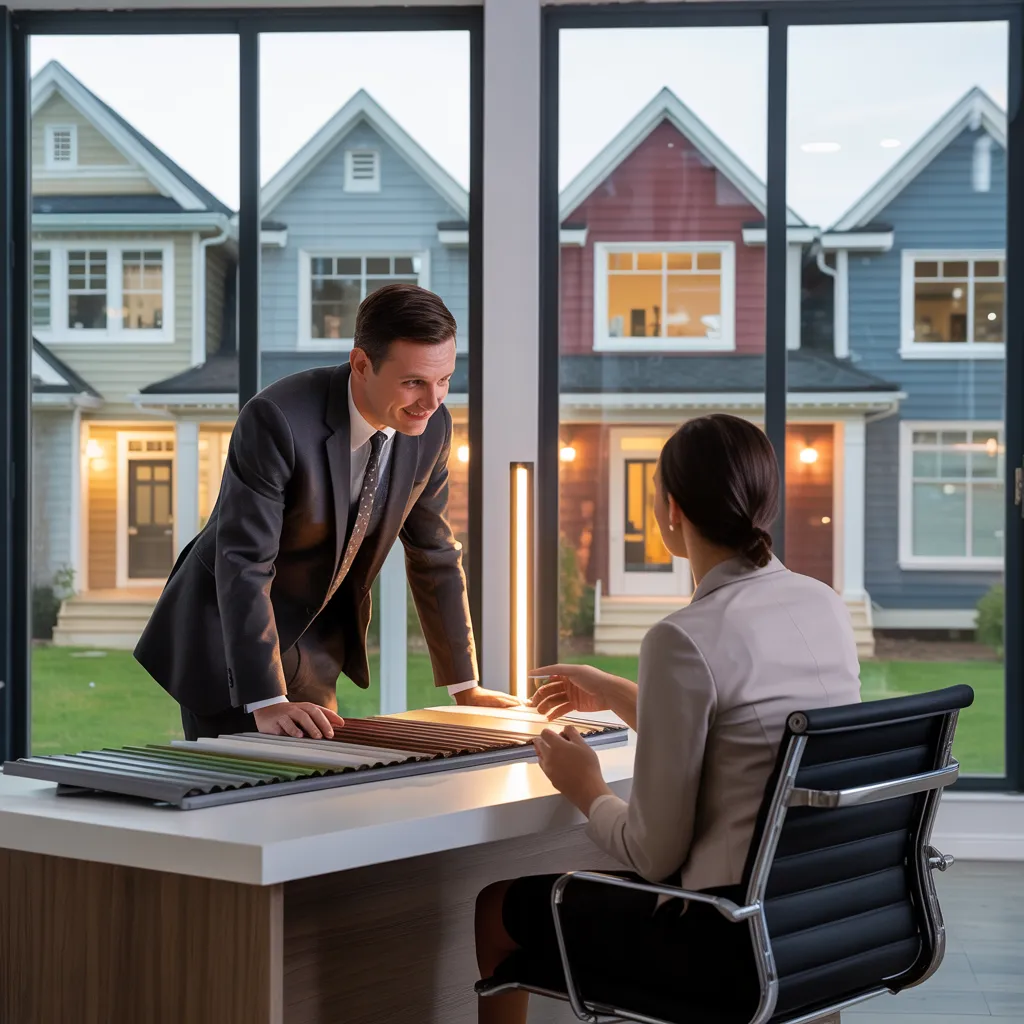
Key Signs It's Time for New Siding?
When is it time for homeowners to replace their siding? There are several key signs that homeowners should watch for that suggest siding replacement is needed. Apparent damage like cracks, warping, or peeling paint may weaken the exterior's durability and overall look. Additionally, the presence of moisture or mold can suggest underlying issues that may lead to costly repairs if left unaddressed. Should energy costs start increasing without explanation, this could signal poor insulation caused by deteriorating siding, warranting a closer look at the home's exterior. Beyond that, age is an important consideration, as most siding materials are designed to last anywhere from 20 to 30 years. Lastly, if outside noise levels seem to be increasing indoors, it could be an indication that upgrading to a more sound-resistant siding is warranted. Identifying these indicators promptly can assist in preserving the home's safety and visual charm while avoiding further issues down the line.
Why High-Quality Siding Is Important for Your Home
Premium siding is a key factor in a home's complete efficiency and visual appeal. It enhances energy efficiency by delivering improved insulation, which can contribute to lower utility bills. Furthermore, high-quality siding substantially increases curb appeal, making the property more attractive to potential buyers and passersby.
Benefits of Energy Efficiency
Energy efficiency is an essential aspect of modern home design, and the choice of siding is a key factor in achieving it. Quality siding materials, such as insulated vinyl or fiber cement, provide superior thermal performance, helping to maintain consistent indoor temperatures. This reduces reliance on heating and cooling systems, ultimately leading to decreased utility expenses. Additionally, well-installed siding minimizes air leaks, further enhancing a home's insulation. Those who choose high-quality siding materials not only improve energy efficiency but also contribute to a sustainable environment by decreasing their carbon footprint. To sum up, choosing quality siding is essential for improving residential energy performance, making it a smart investment for long-term comfort and savings.
Curb Appeal Improvement
Even though choosing siding may seem like an insignificant decision, it heavily affects a home's general visual appeal. Superior siding can convert a simple house into a welcoming abode, enhancing its aesthetic appeal and reflecting the homeowner's style. Different materials, colors, and textures allow for personalization, allowing property owners to develop a distinctive appearance that sets their home apart. Additionally, well-maintained siding can increase property value, positioning it as a worthwhile long-term investment. Homebuyers often prioritize visual appeal, and superior siding frequently becomes a determining element. Ultimately, choosing the right siding not only protects the structure but also elevates its charm, making it a crucial component in achieving a beautiful, welcoming home.
Siding Material Selection: Factors Worth Considering
Choosing the right siding materials is essential for boosting a home's appearance and structural integrity. Homeowners should consider several factors when making this decision. Above all, climate serves as a crucial consideration; choices such as vinyl or fiber cement are often ideal for locations that experience severe weather conditions, while wood siding provides timeless appeal in mild climates.
Next, maintenance considerations differ; some options demand routine painting or staining, while others require little to no upkeep. Budget is also a key factor; selections vary from cost-effective vinyl to upscale natural wood or stone.
Energy efficiency ought to be considered as well, as some materials offer superior insulation, which may reduce energy costs. Ultimately, homeowners should consider their home's architectural style to confirm that the siding aligns with its overall appearance. By weighing these factors, homeowners can identify siding materials that boost both visual appeal and lasting performance.
Advantages of Hiring Professional Siding Installers
Opting for expert siding contractors can significantly improve the longevity and performance of a house's outer surface. These specialists possess extensive experience, ensuring that the installation is executed to the best possible standards. Their specialized knowledge allows them to address potential issues, such as poor alignment or insufficient sealing, which can result in expensive repairs in the future.
Additionally, experienced installers are armed with the correct tools and supplies, which can significantly minimize installation time and improve the general finish. They also remain informed about local building standards and regulations, guaranteeing compliance and reducing the possibility of penalties or rework.
Furthermore, working with professional contractors often incorporates guarantees on both labor and materials, giving homeowners reassurance. This standard of protection, alongside the practical and visual advantages of skilled installation, highlights the value of entrusting siding projects to skilled professionals.
Enhancing Curb Appeal With Siding Solutions
Choosing the ideal siding can substantially elevate a home's exterior appearance. Color options, alongside various materials and textures, enable homeowners to achieve a one-of-a-kind look that showcases their unique preferences. By evaluating these elements, homeowners can reinvent their property into a attractive and welcoming space.
The Importance of Color Choices
How can the right color transform a home's exterior? The decision regarding siding color plays a major role in a home's curb appeal, defining the character of its overall look. Pale hues can create the impression of a larger and more appealing space, while richer colors can suggest sophistication and class. Bright and vivid hues attract notice, enabling a home to make a statement in the neighborhood, while muted tones offer a classic, timeless look. Furthermore, a well-chosen color can complement both landscaping and architectural details, producing a unified look. It is important for homeowners to factor in their personal preferences, local weather conditions, and neighborhood influences when deciding on colors. In the end, carefully considered color selections not only elevate a home's beauty but also express the homeowner's character, making the property feel inviting and cared for.
Material And Texture Choices
Various texture and material options can significantly improve a home's visual appeal, providing homeowners with the chance to create a unique impression. Siding materials such as vinyl, wood, and fiber cement all offer distinct visual characteristics and long-lasting performance. Low-maintenance vinyl siding, is available in various textures that mimic natural materials. Wood siding, despite its higher maintenance needs, delivers a sense of warmth and traditional appeal, coming in smooth or textured finishes. Fiber cement siding combines the best of both worlds, delivering strength and an array of textures, from stucco to wood grain. Such options enable homeowners to customize their home's exterior, ultimately enhancing not just beauty but also property value. Selecting the right combination can transform any home into a stunning masterpiece.
Essential Tips for Maintaining Long-Lasting Siding Performance
Routine upkeep is essential for ensuring the durability and effectiveness of home siding. Homeowners should begin by cleaning the siding at least twice a year to clear away dirt, mildew, and unwanted buildup. A gentle pressure washer or a soft brush with a mild detergent can efficiently copyright its make a move condition without causing deterioration. Examining the siding for fractures, warping, or detached panels is necessary; resolving these concerns quickly can avert more serious complications. Furthermore, property owners should ensure adequate drainage near the foundation to prevent moisture damage. Using a quality sealant can improve resilience, especially for wooden siding. It is also wise to repaint or re-stain periodically, as this helps protect against the elements. Ultimately, periodic evaluations of caulking around windows and doors will maintain proper seals, decreasing energy consumption and enhancing the siding's longevity. These proactive steps contribute to maintaining both aesthetics and functionality.
Questions We Often Receive
What Is the Typical Duration of a Siding Installation?
Siding installation typically takes one to three business days, depending on the project's size and complexity. Considerations including weather conditions and the chosen siding type can also influence the overall timeline for completion.
What Are the Expenses Involved in Siding Replacement?
Siding replacement costs vary widely, usually running anywhere from $5,000 to $15,000 depending on materials, labor, and home size. Homeowners must factor in supplementary expenditures, including the removal of existing siding and any necessary structural repairs.
Can New Siding Be Installed Over Existing Siding?
Absolutely, it is possible to install new siding over old siding, but it is essential to ensure the existing structure is stable. Adequate insulation and moisture barriers are critical for avoiding problems such as rot or mold.
What Warranty Coverage Is Available for Siding Products?
Many siding products include warranties that range considerably, typically covering material defects for periods ranging from 20 to 50 years. Installation coverage may also be included, protecting workmanship for a designated period, often ranging from one to ten years.
How Do I Find the Right Siding Color to Complement My Home?
To choose a siding color that enhances a home, it is important to assess the style of the architecture, surrounding outdoor scenery, and adjacent properties. Color samples assist in visualizing choices, while referencing color wheel guides improves how decisions are made.